Carbon Footprint


Handprint1

We’re all in the joke mood at the moment, that is if you are doing an assignment for Art of the MOOC.  It has been a real battle for me to think of a joke related to a social issue or a social movement.  My attempts just sounded so silly, but after going on line to find some, I thought mine were not that bad after all…

So how about:

When is a thinking person’s coal mine empty?  When it’s mindful.

When can coal see?  When it’s fossilised.

Then I thought, if I am making paint from coal (which was my intention), to sequester it, for example, I need a link to paint and pigment.  Luckily, my brain caught on, and I came up with using charcoal (which is also carbon).  Now, as there is a good possibility that prehistoric man also used charcoal to paint or draw with, aka cave paintings, I could somehow make  a joke that linked carbon, pigment and paint.  I do have some coal left over from when we had a coal fire (oops, but we only used it once and we had to travel 100 k to buy the coal)…  but the charcoal came from the woodturning stove and the tree came from the garden and it did seem a little more environmentally appropriate.

So my joke for Art of the MOOC was:  Was there a prehistoric carbon footprint?  No, they used their hands…

I made a video of the paint making process which can be found on my Facebook page.  www.facebook.com/celia.wilson.56   It is also on Vimeo https://vimeo.com/147520835, and I have a link to Twitter…


Screen Shot 2015-12-02 at 11.10.34 AM


Canterbury Pigments

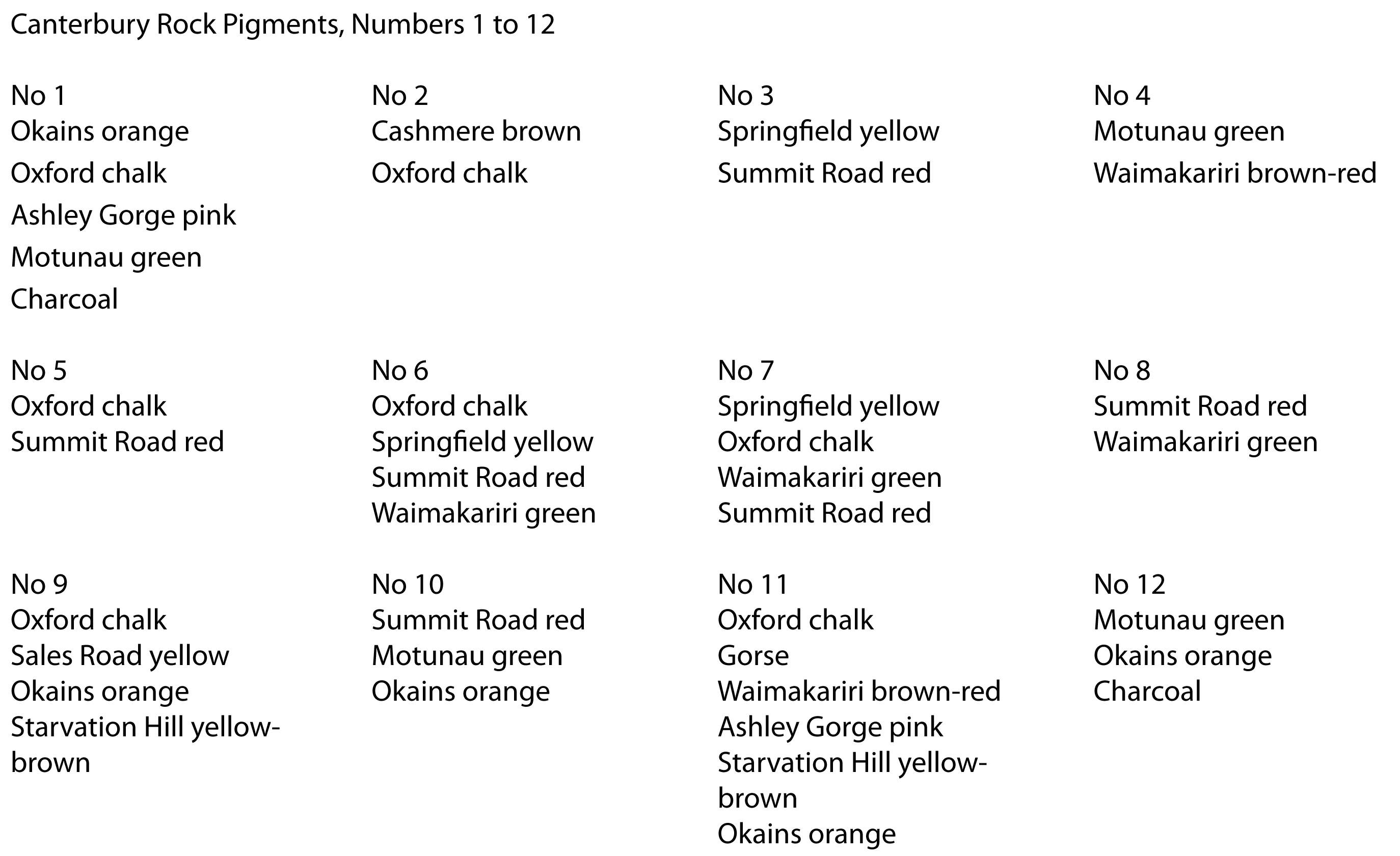
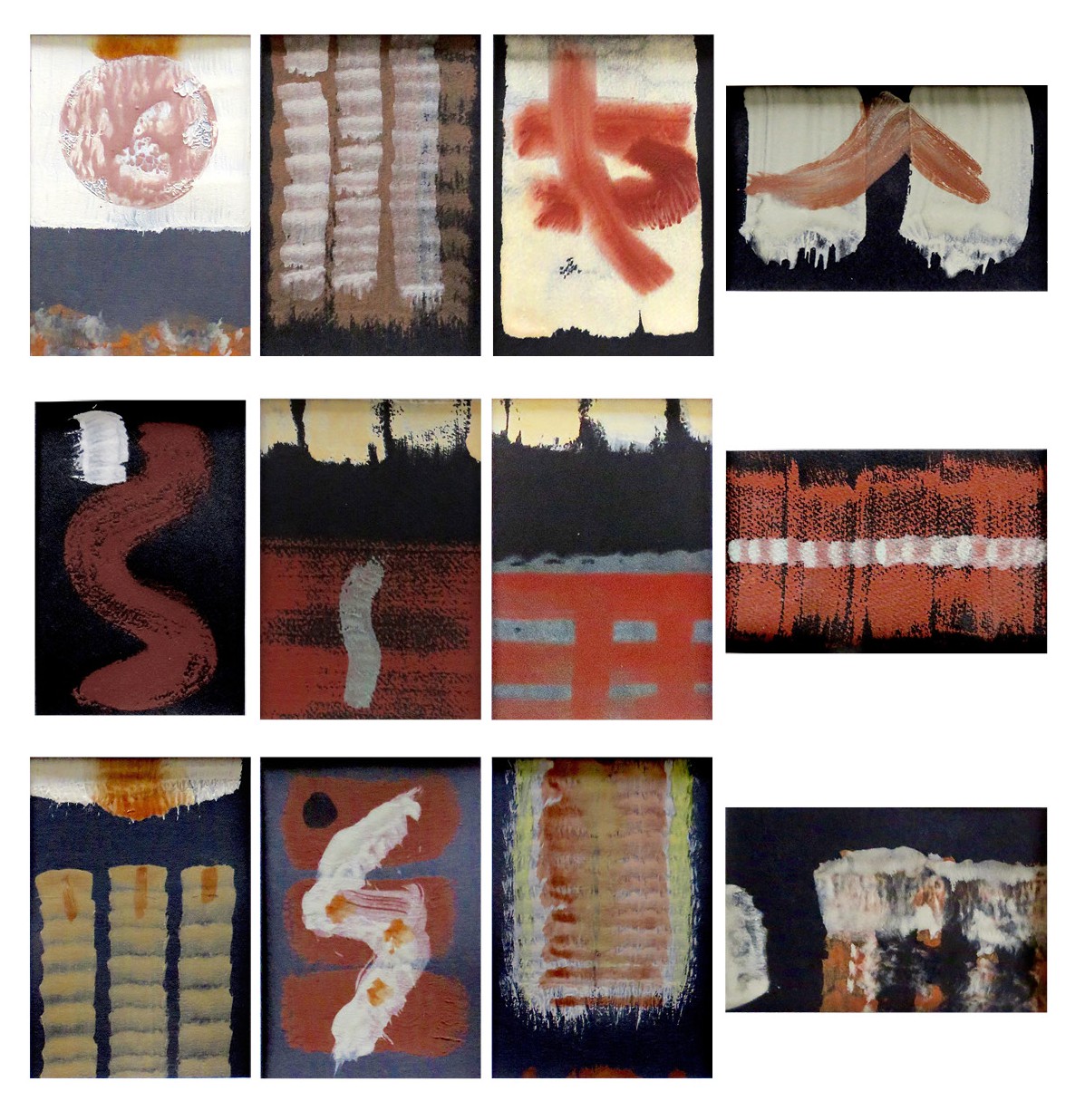
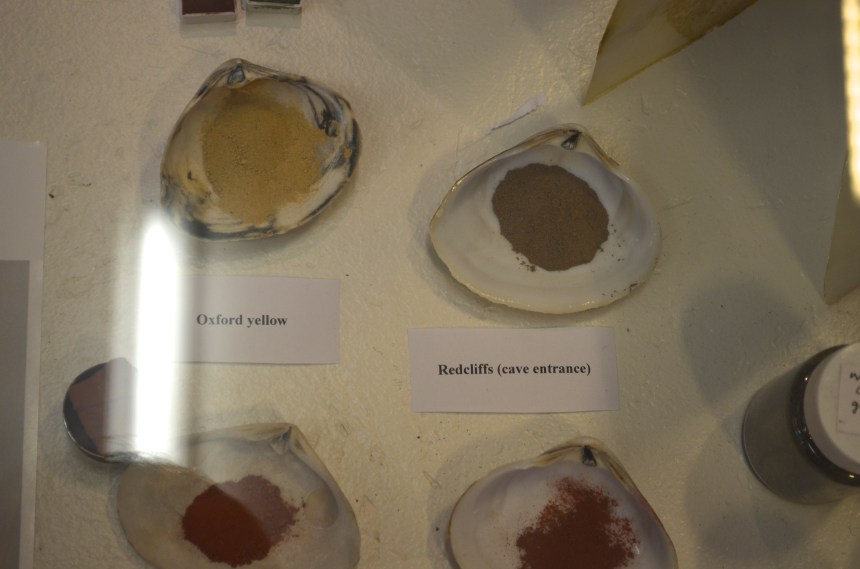
I’ve been working with my pigment rock collection lately.  Re-testing and recording to replace the work I did in Textbook 2 which was lost (i.e., stolen…).  The rocks and earths of the Canterbury Plains produce these colours that are presently on show in “View and Do” at the Arts in Oxford gallery.  All the artists taking part in the exhibition are holding workshops.  The workshops are varied – watercolour painting, abstract design, ceramics, box making and paint making.  Volcanic and sedimentary rocks, chalk and lime are gathered here to make twelve separate watercolour paintings, all 50 x 95 mm on black paper.  Details of the location of the pigments in each painting are  listed below.  The details are in the same order as the paintings:

Canterbury Rock Pigments web

view and Do Portrait

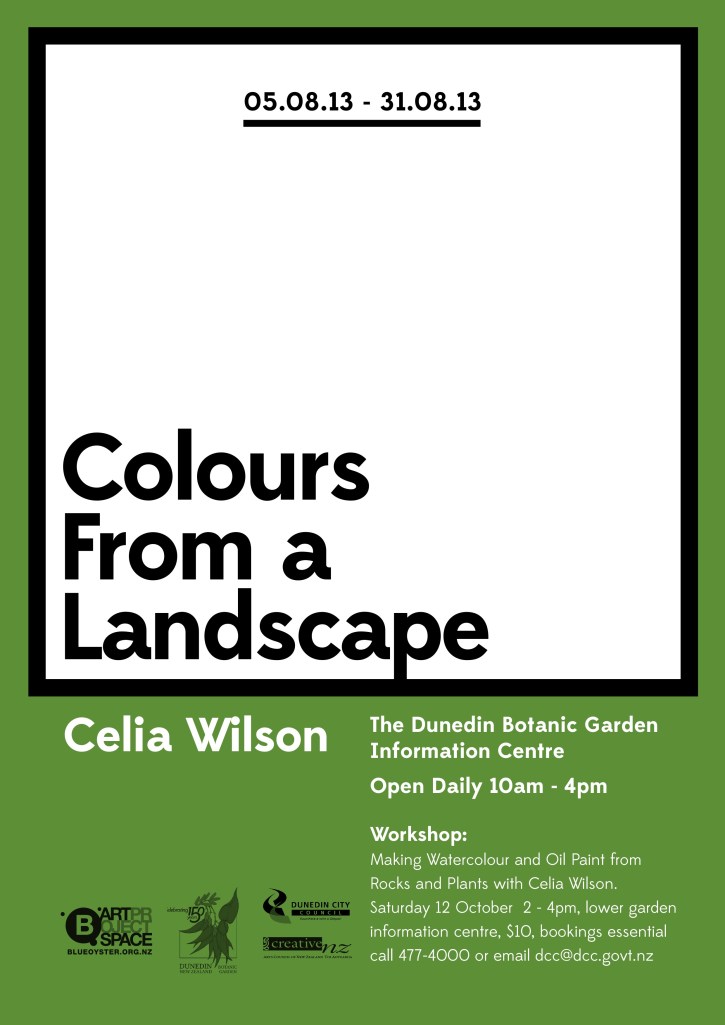
Colours from a Landscape

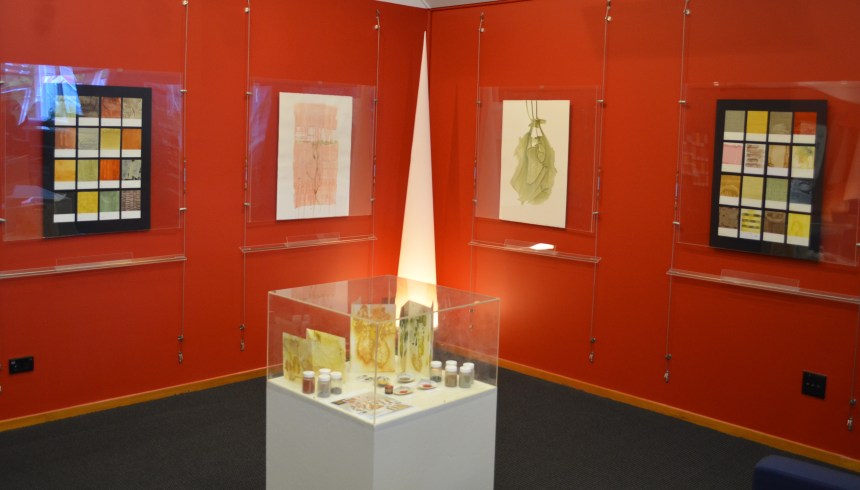
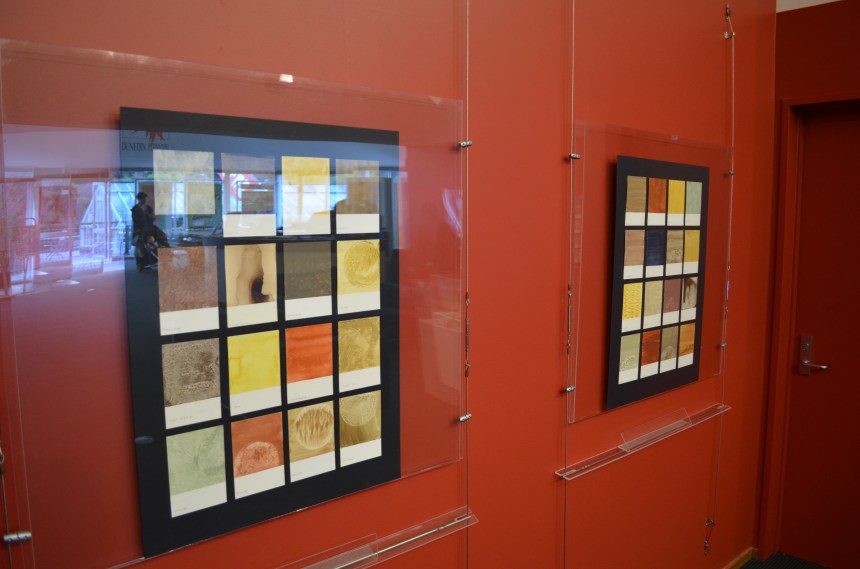
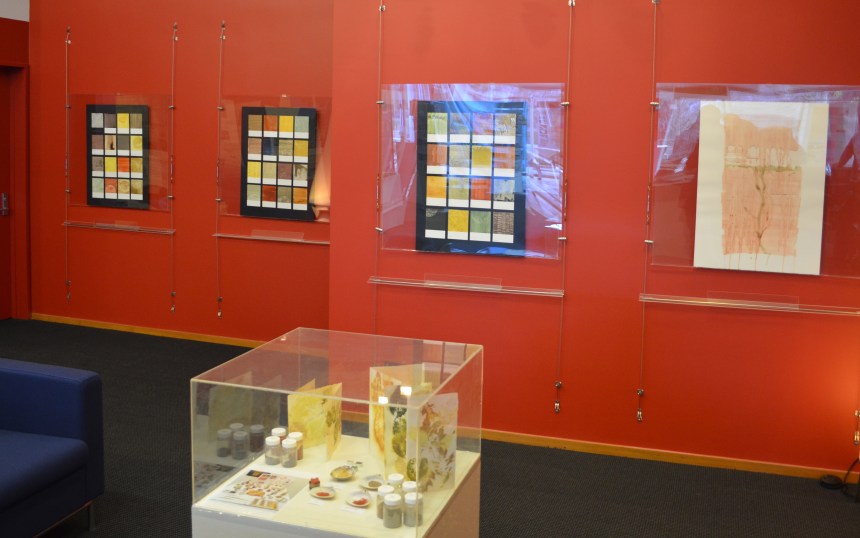
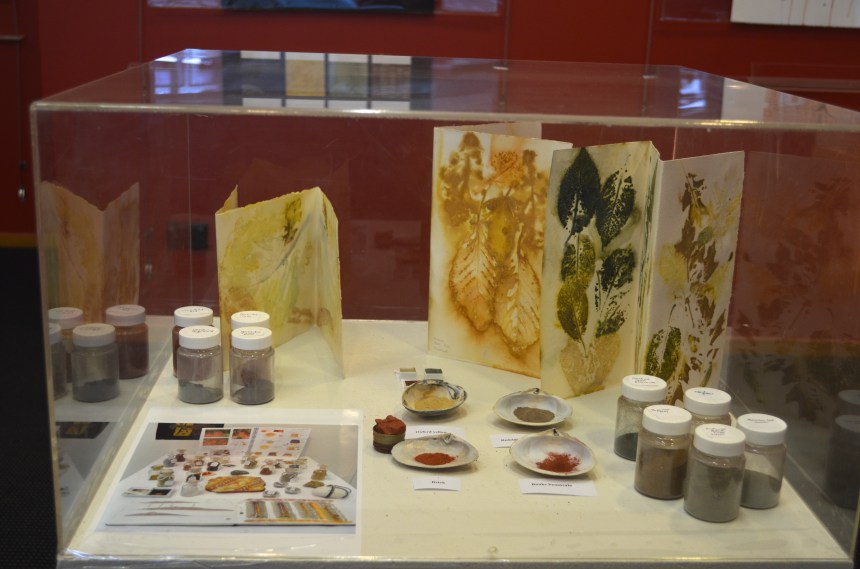
I am currently showing some pigment colour swatches at the Dunedin Botanic Gardens, and in October I am doing a workshop on making paint.   This exhibition was facilitated through the Blue Oyster Gallery in Dunedin.  Also included in the show are some natural pigments on paper – eco prints – and some raw pigment.  The two artworks on paper show colours from Waikari (green)  and Ashley Gorge (pink and green)  in North Canterbury.  Many thanks to Clare Fraser from the Dunedin Botanic Gardens who is in charge of the venue.  I think the colours look fantastic presented on black paper against the lovely red walls of the Information Centre!

The pigment swatches each show a colour found at a specific location which is named on the swatch.

Image

Appearing below are some of the photos I received from Jaime Hanton, Blue Oyster Gallery, Dunedin, who kindly photographed the show and installed the work for me :

Dunedin Botanics 1

Dunedin Botanics 2

Dunedin botanics 3

Dunedin Botantics 4

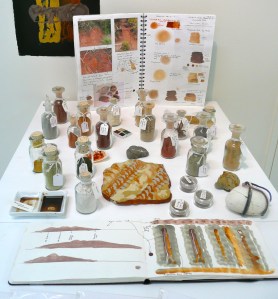
This is not my anticipated installation for this show as the initial selection was stolen.  My box was left on the pavement by the courier company and disappeared overnight.  The items in this box were some of those in the photograph shown in the display case, bottom left corner.  If, by any chance, they turn up, I would just love to have them back.  They represent five years research, experiment and recording.  I have given up hope of ever seeing them again, however, and will re-build as much of the information as I can…  Worse things happen, and I ‘count my blessings’.


P1160373


Dunedin Botanics 6

Shells were traditionally used for paint containers!

Paint making workshop at the Papakura Art Gallery, Auckland

Image

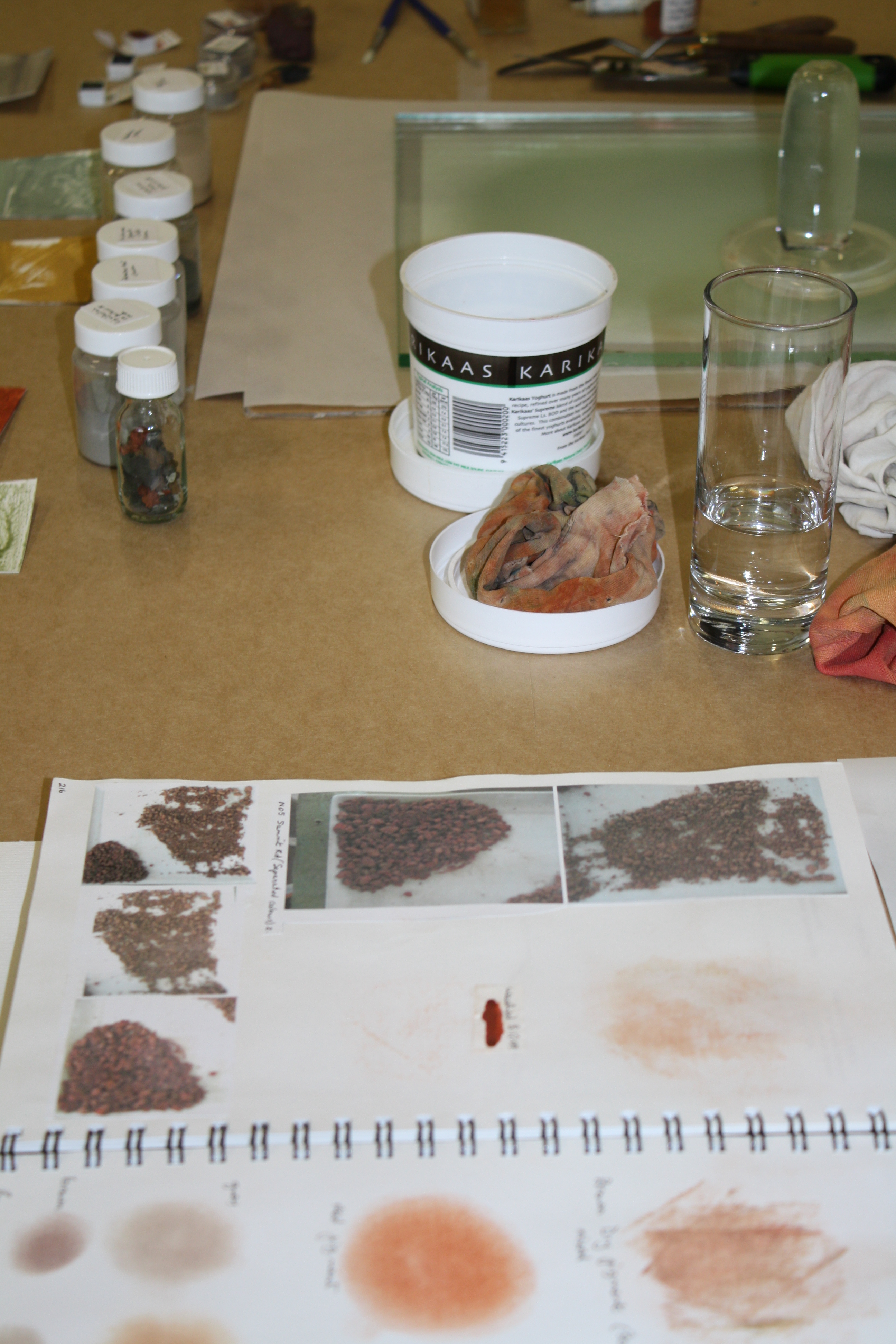
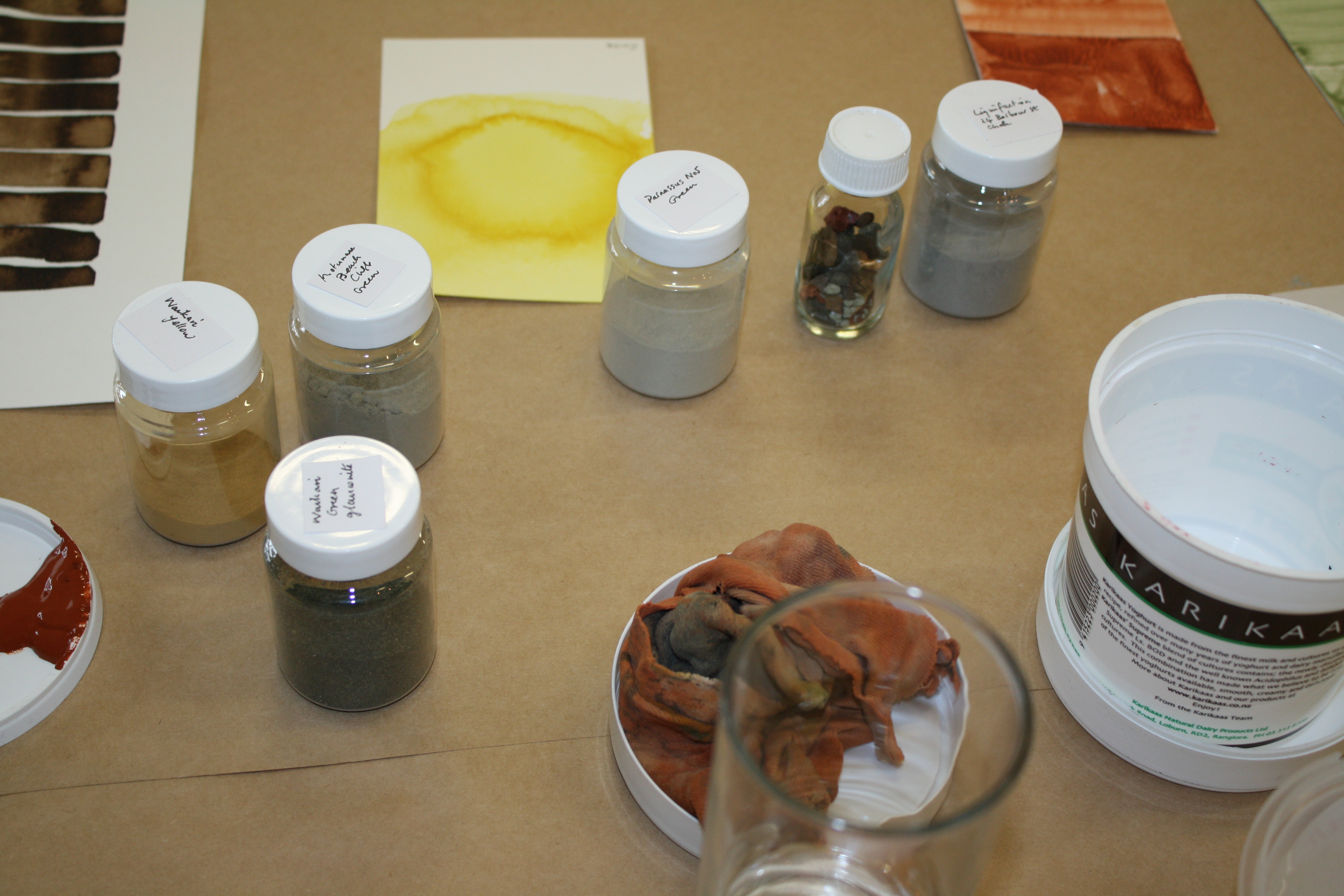
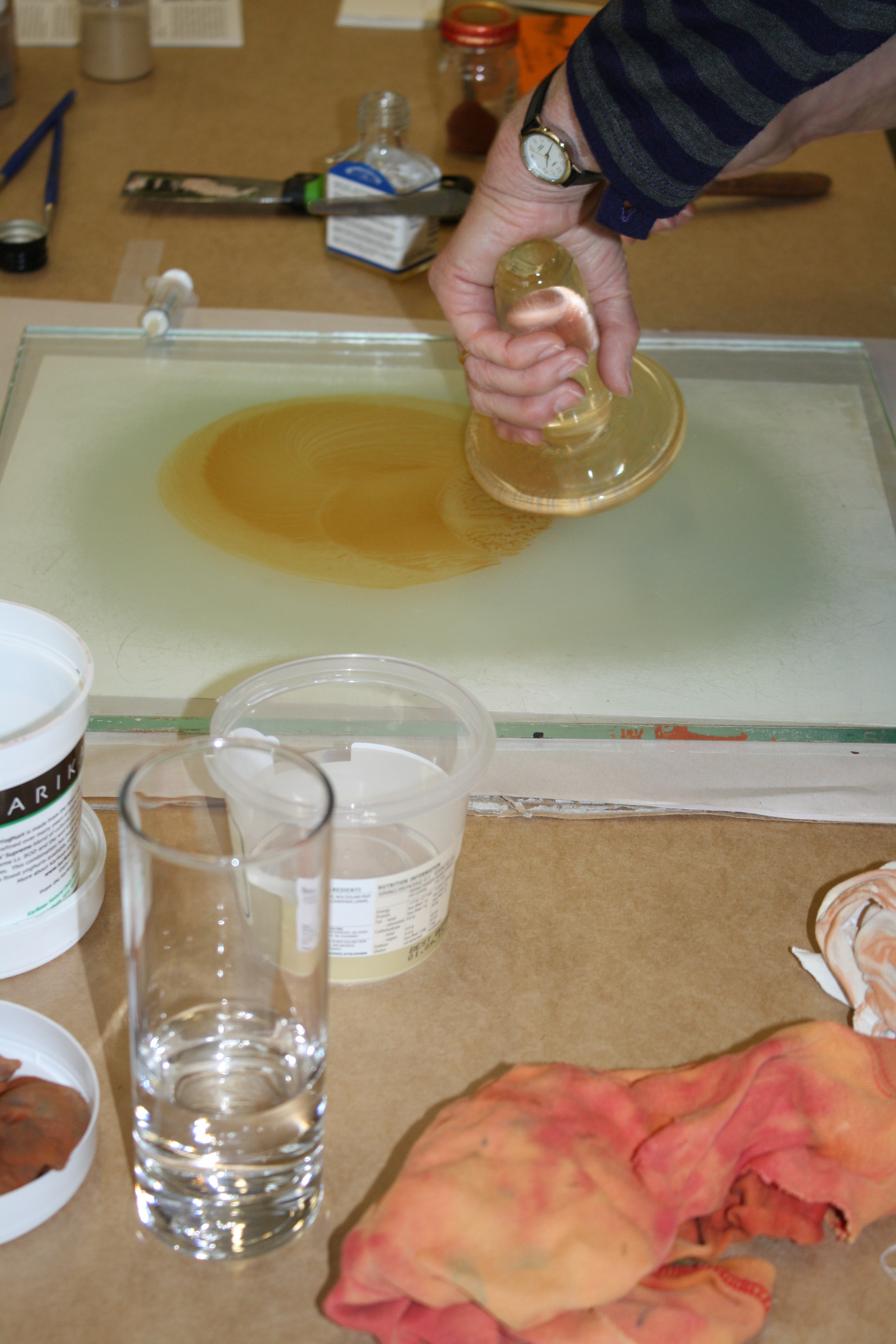
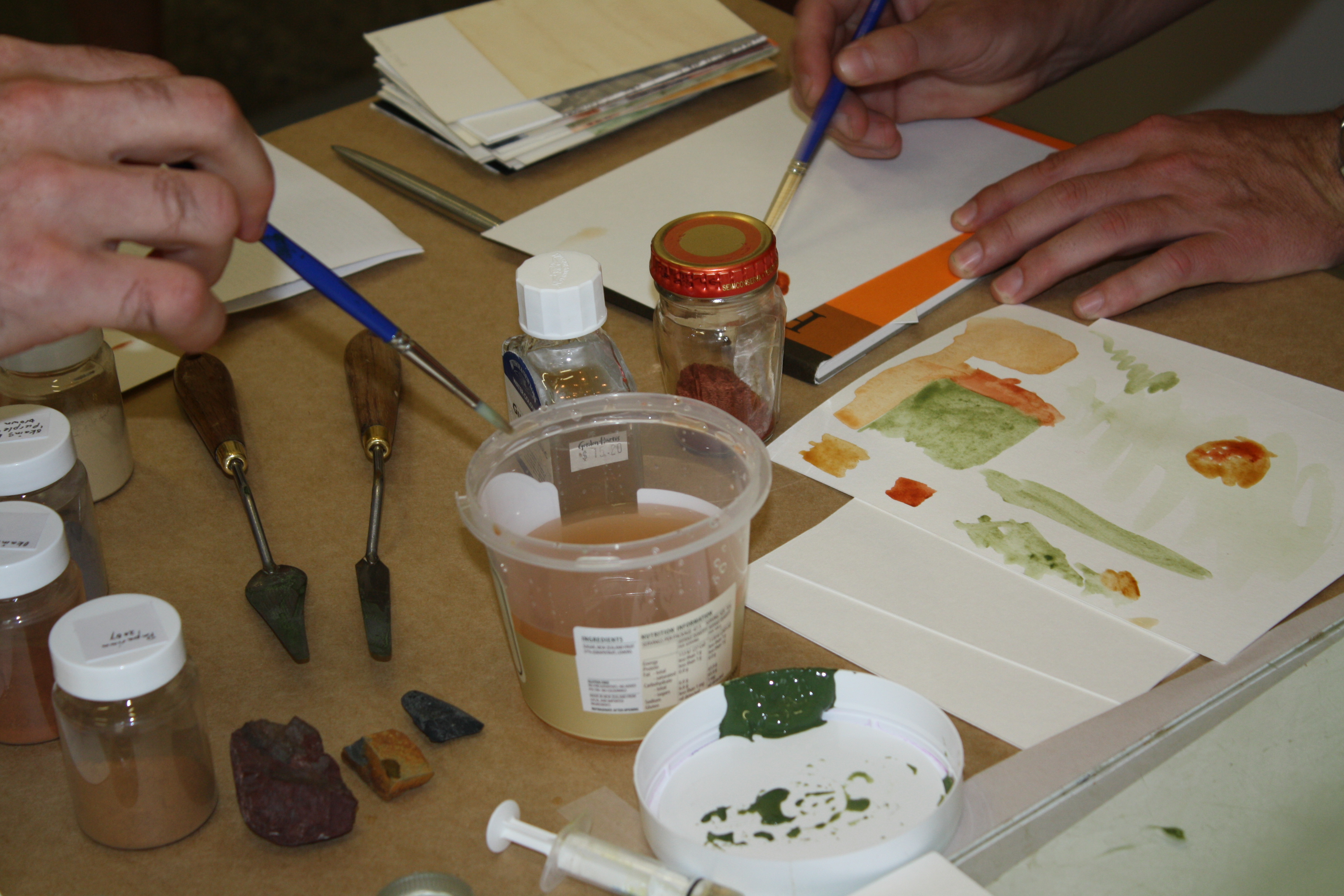
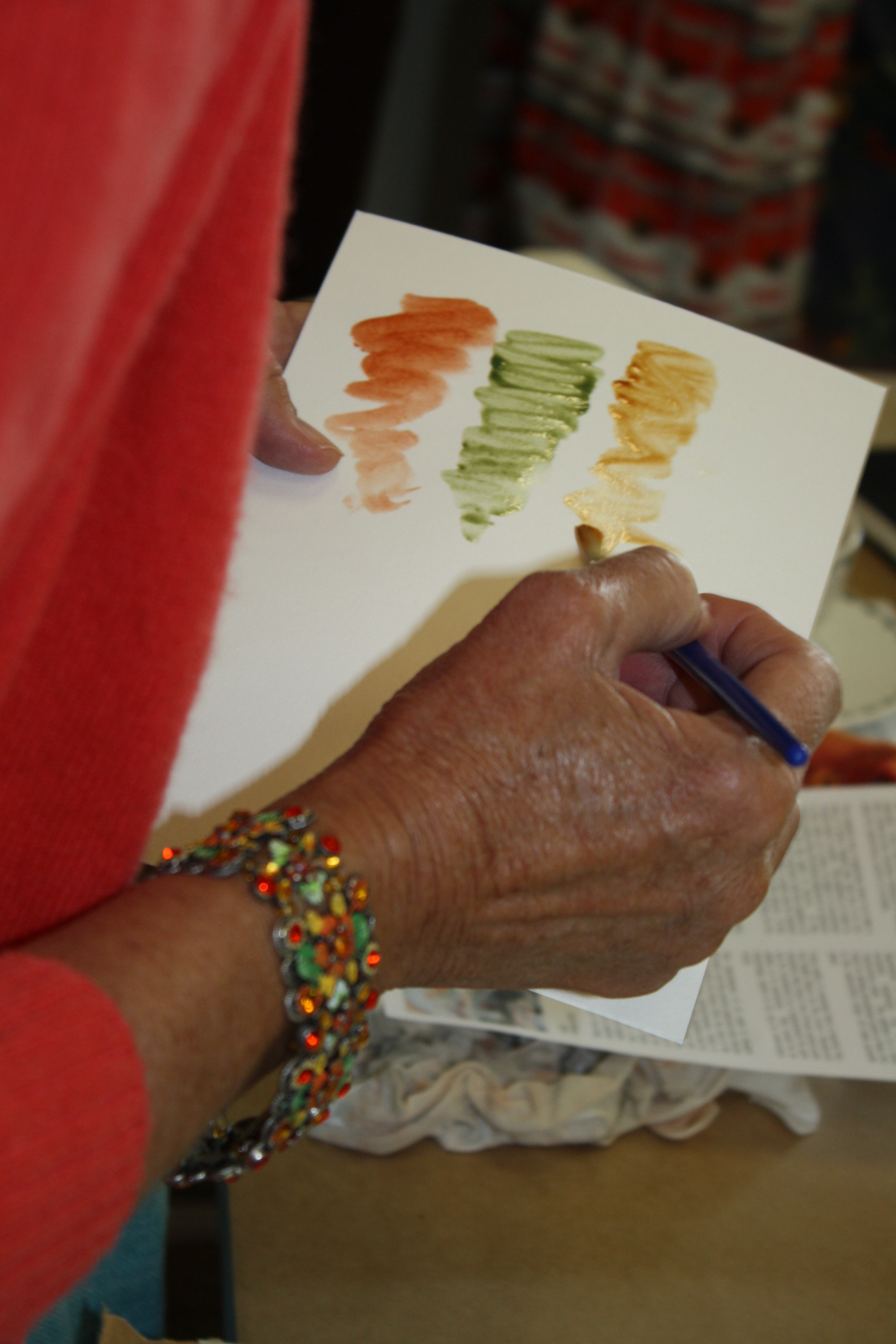
During the current exhibitions Colour of Distance and What’s on Your Plate at the Papakura Art Gallery, I had the marvellous opportunity to hold a workshop on paint making from locally found pigments.  Three different colours were made during the workshop, and I brought many colour swatches made from Canterbury mineral and organic pigments for attendees to see and touch.

In the photo above, the What’s on Your Plate artwork just to the right and behind me on the wall, caught my attention because it shows a tin can label that lists many of the items that are produced from by-products of the petroleum industry.  I read through them all, hoping to see ‘pigments’ listed – but it wasn’t  –  probably round the back of the can!  One of the reasons that started my interest in making paint was that so many colours are derived from oil.

Image

Image

Image

Image

Image

Image

Many thanks to Tracey Williams and Kate Hart of the gallery for the use of these photos taken during the workshop.

Colour of Distance is the latest group show by Cristina Silaghi, Helga Goran, Jocelyn Mills, Kim Lowe and myself, and it closes on the 7th April.

For more information and photos of these two exhibitions at the gallery,  visit their Facebook page via this link:  Papakura Art Gallery .